Laser Distance Measures for Small Apartments: What to Check Before You Buy
A practical measuring-workflow guide for renters choosing between a laser distance measure and a tape measure.
Quick Answer
A laser distance measure can make repeated room and wall measurements easier when there is a clear path to a suitable target. It does not automatically solve the hardest apartment fit questions: door swings, furniture depth, narrow alcoves, chair movement, and delivery turns still require careful checks. Buy for the spaces you need to measure, not for the longest advertised range.
Before choosing a device, test your intended workflow on paper: identify the start and end surfaces, whether you can stand in a repeatable position, and which dimensions must be verified with a tape.
1. When a Laser Distance Measure Is Useful in a Small Apartment
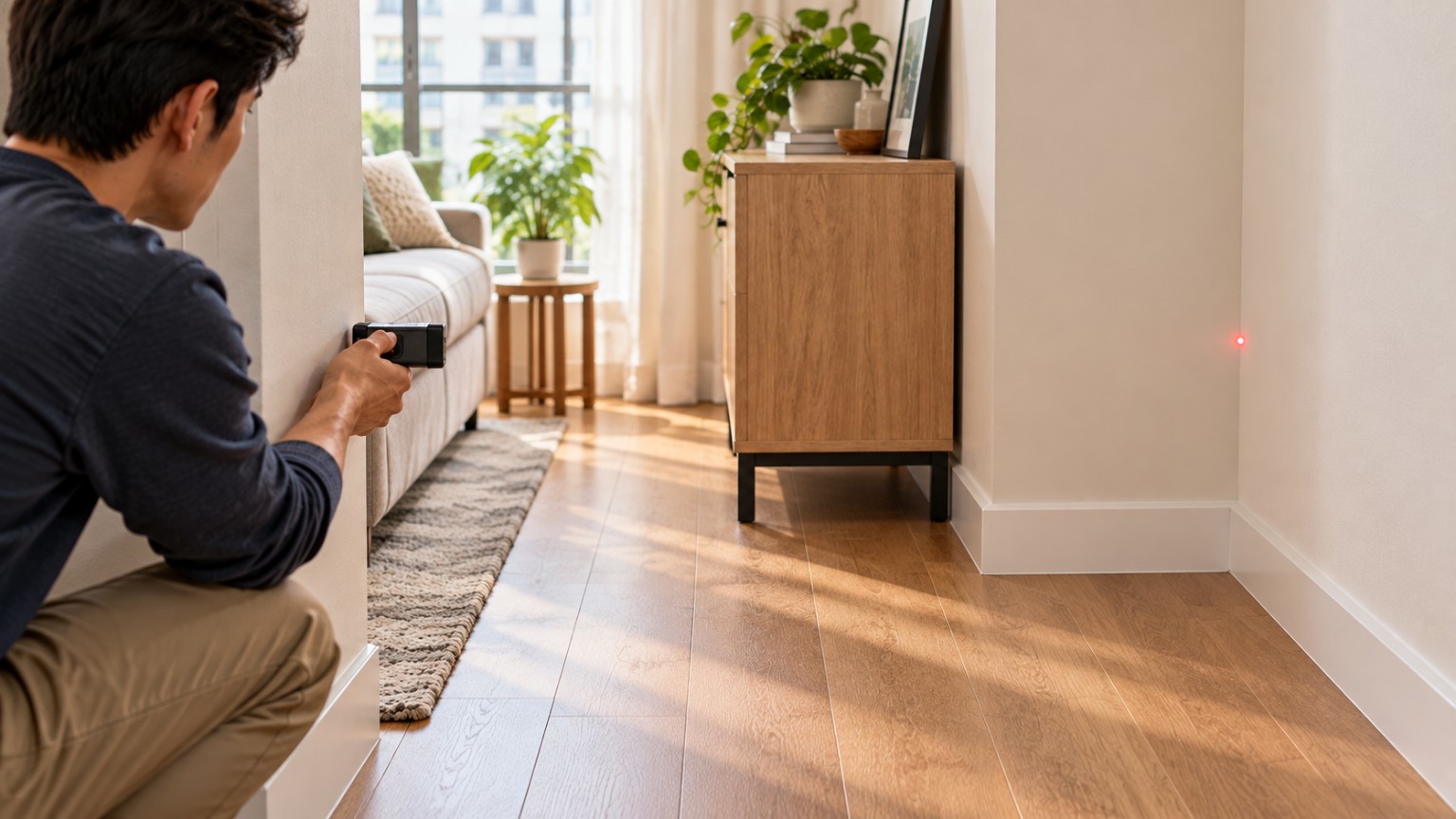
A laser distance measure is most useful for straightforward distances between accessible surfaces: a wall-to-wall span, the depth of an open room, or the distance from a fixed wall to a clear opposing surface. It can be convenient when a tape would bend, sag, or need another person to hold the end.
The value is consistency of process, not guaranteed perfection. A device still needs a readable target and a deliberate reference position. A cluttered room, reflective surface, or awkward angle can make a tape more dependable for the particular job.
2. Measure the Space Furniture Actually Uses
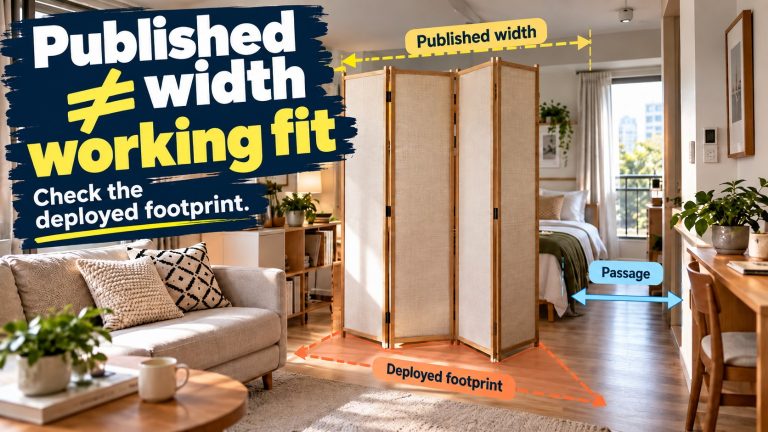
Start with the available placement zone, not the furniture listing. Record room width and depth, the usable wall run between obstacles, and the distance from the wall to the nearest walkway. Note baseboards, outlets, radiator covers, floor transitions, and trim that change the usable footprint.
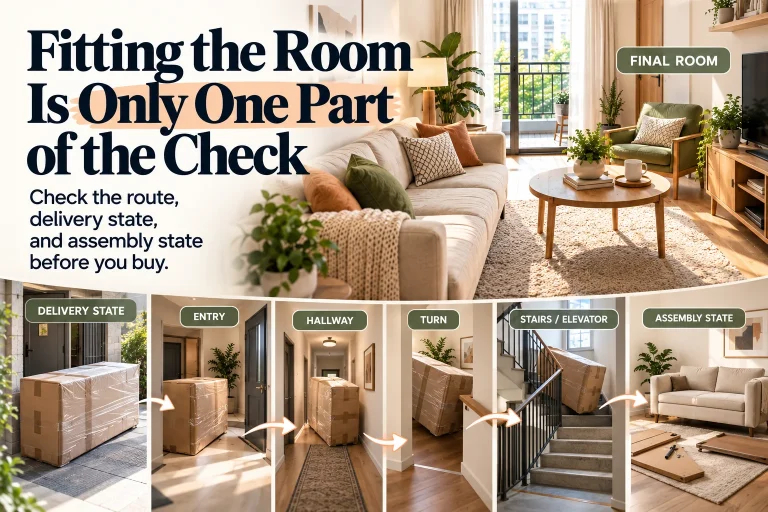
For desks and drawers, add chair pullback, knee room, and the path of an opening drawer. For shelving, include door swing and the clearance needed to load or remove stored items. For a sofa or cabinet, measure the delivery route as well as its final position. A measurement that fits the final wall may still fail at a doorway or corner.
Mark each number as either a room dimension, furniture dimension, or operational clearance. Mixing these categories is a common way to buy something that technically fits but cannot be used comfortably.
3. Clear Line of Sight Matters
The instrument needs an unobstructed path to the intended target. A chair back, plant, hanging garment, or open door can become the accidental target instead of the wall behind it. Move obstructions when safe, choose a more accessible position, or use a tape where a straight path cannot be established.
Be explicit about where the measurement begins. If the instrument is against a wall, verify the selected measurement reference according to its own instructions rather than assuming the housing position is accounted for automatically. Repeat from a stable position before writing the value down.
4. Surfaces, Reflections, and Light Can Change the Experience
A smooth mirror, glossy tile, transparent partition, dark textured material, or strongly lit target may behave differently from a plain painted wall. The visible laser spot is not proof that the device has measured the intended physical boundary. Angled surfaces can also return an unhelpful result.
When a reading seems implausible, change to a suitable opaque target where appropriate, improve the line of sight, or check with a tape. Do not assume every device handles every surface or lighting condition equally. The practical question is whether your apartment offers the kinds of targets you can measure reliably.
5. Why One Reading Should Not Always Be Trusted
Take at least a second reading when the dimension affects an expensive purchase. Compare repeated values and confirm that you are aiming at the same endpoints. If readings differ unexpectedly, investigate the target, angle, obstruction, and reference position before averaging anything.
For a critical furniture fit, cross-check the final available dimension with a tape measure. A small error can matter when a cabinet sits between walls or a desk must clear a door. Record the tightest usable dimension rather than treating an irregular alcove as a perfect rectangle.
6. Klein Tools 93LDM100C vs Bosch GLM165-27C: Practical Buying Roles
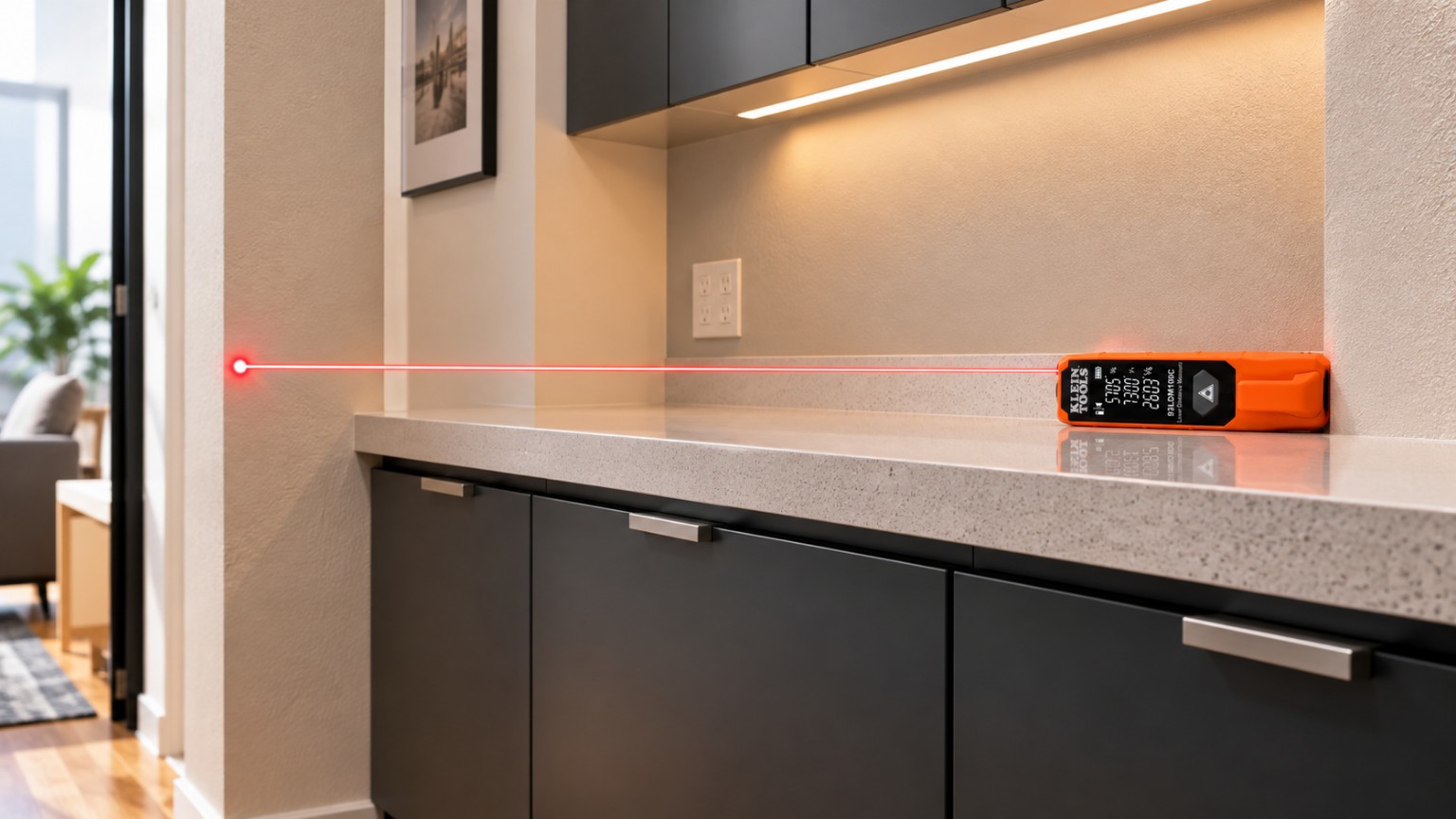
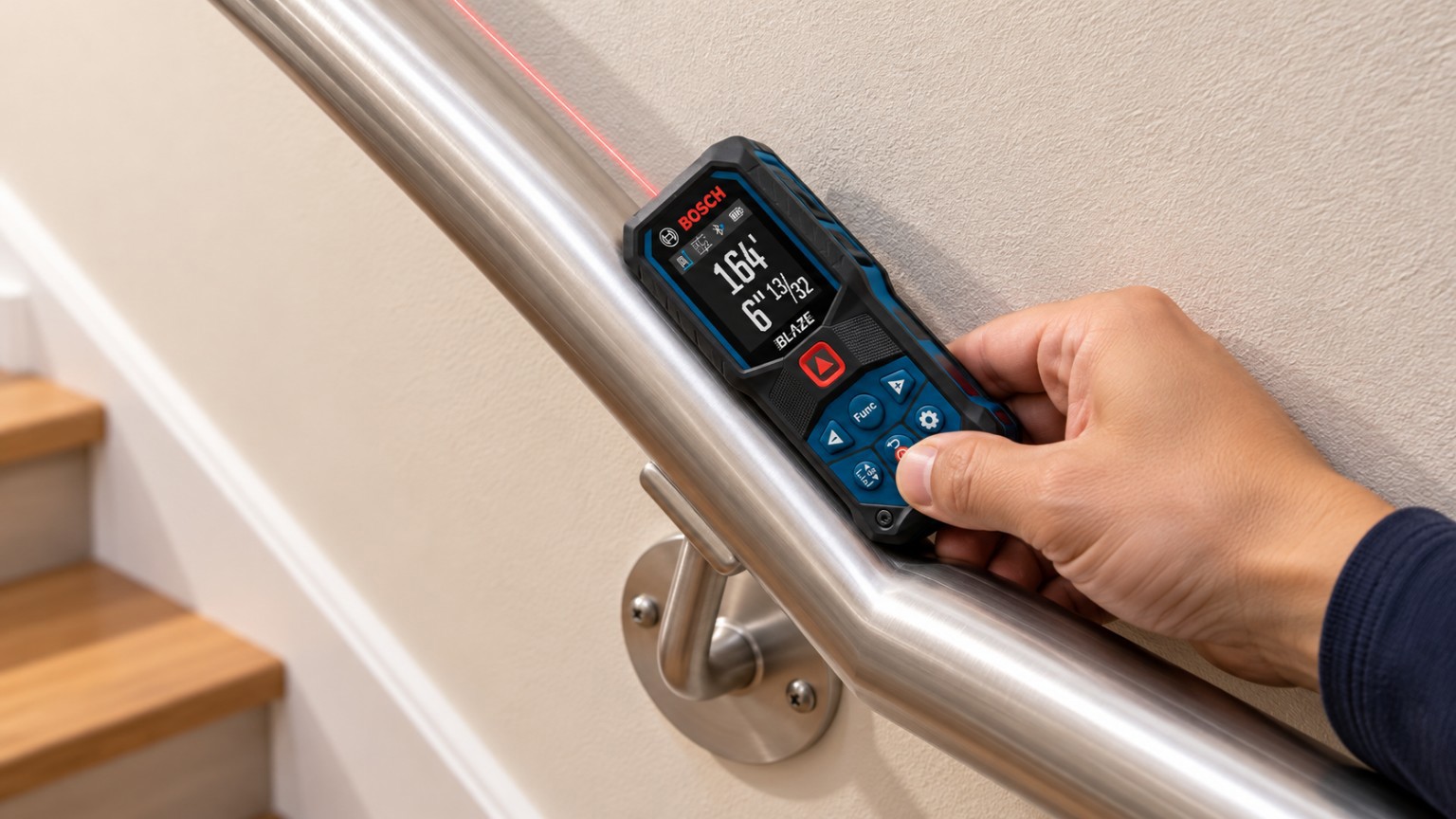
The two locked examples are the Klein Tools 93LDM100C and Bosch GLM165-27C. Both should be evaluated against the same apartment tasks: taking room spans, measuring between accessible walls, repeating a questionable reading, and carrying the instrument between small rooms.
For the Klein Tools 93LDM100C, ask whether its actual control sequence and display are comfortable for the measurements you perform most often. For the Bosch GLM165-27C, ask the same questions, including how easy it is to identify the chosen reference point and record a result. The model name alone does not establish that either device is easier to use.
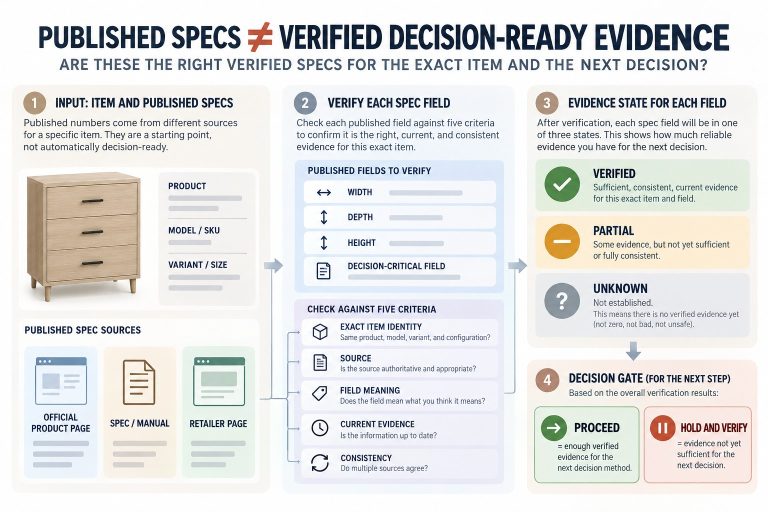
Compare verified operating instructions, the physical handling of each unit, and the return policy before purchase. This guide does not assert a winner or claim differences in range, accuracy, connectivity, battery endurance, modes, or durability without the relevant locked evidence.
7. Where a Tape Measure Is Still the Better Tool
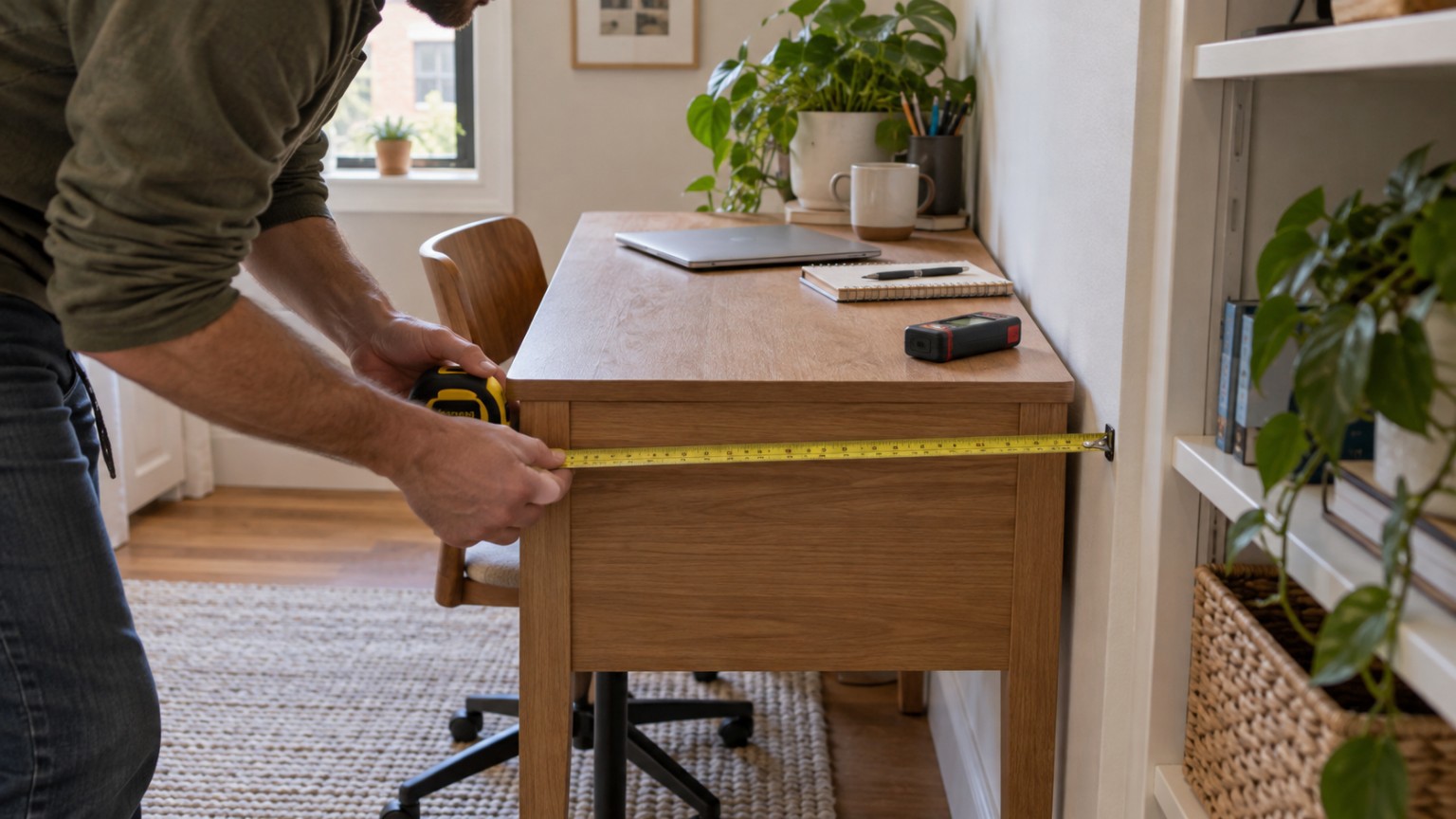
Use a tape for very short gaps, curved or obstructed paths, irregular trim, the interior of a shallow cabinet, and situations where the target surface is not suitable for a laser reading. A tape can also be easier for checking the exact opening of a door, the lip of a shelf, or a furniture part that is not aligned with the room walls.
Neither tool replaces careful planning. The useful combination is a laser for convenient clear spans and a tape for tight, irregular, or purchase-critical details. Keep measurements labeled so you know which method produced each value.
8. A Small-Apartment Measuring Workflow
First, sketch the room and mark fixed obstacles. Second, measure the main room width and depth along clear paths. Third, record the intended furniture zone at more than one point if walls or trim may vary. Fourth, measure access routes: doorway openings, hallway turns, and the path from entry to placement.
Fifth, add movement clearances for doors, drawers, and chairs. Sixth, repeat any surprising laser reading and cross-check critical dimensions with a tape. Finally, compare the usable dimensions against the actual product dimensions and required operating space, not merely the footprint shown in a listing.
Keep a simple note with columns for location, dimension, endpoints, tool used, and whether the number was verified. This makes later shopping decisions faster and prevents measurements from being mistaken for one another.
9. What to Check Before Buying a Laser Measure
Identify your three most frequent measuring jobs. Consider whether you usually have clear wall targets, whether you need to measure around obstacles, and whether you can hold the instrument steadily. Review the manufacturer instructions for reference-point selection, safe handling, and operation in the conditions you expect.
Check the exact model identity and the seller’s current documentation rather than assuming a feature from a similar-looking product. If your apartment mostly requires short cabinet openings, drawer clearances, and awkward corners, a reliable tape may be the better first purchase. If you frequently measure clear room spans alone, a laser measure may complement it well.
Never point a laser toward anyone’s eyes, and follow the device’s safety instructions. Consumer distance measures are not substitutes for professional surveying, structural assessment, code-compliance measurements, or other high-stakes verification.
Bottom Line
Choose a laser distance measure only if it improves your actual measuring workflow. The Klein Tools 93LDM100C and Bosch GLM165-27C are two product examples to evaluate against your own rooms and tasks, not automatic winners. Clear targets, repeatable positioning, and tape-measure cross-checks matter more than an impressive specification headline.
Measure the usable space, the access path, and the clearance needed to live with the furniture after installation. The right purchase is the tool that helps you make those decisions with fewer avoidable mistakes.