Countertop Compost Bins for Small Rental Kitchens: What to Measure Before You Buy
A countertop compost bin can make collecting food scraps easier in a small rental kitchen, but the right choice depends on more than capacity. A bin that looks compact online may occupy too much preparation space, hit an upper cabinet when its lid opens, or become awkward to carry to the disposal point.
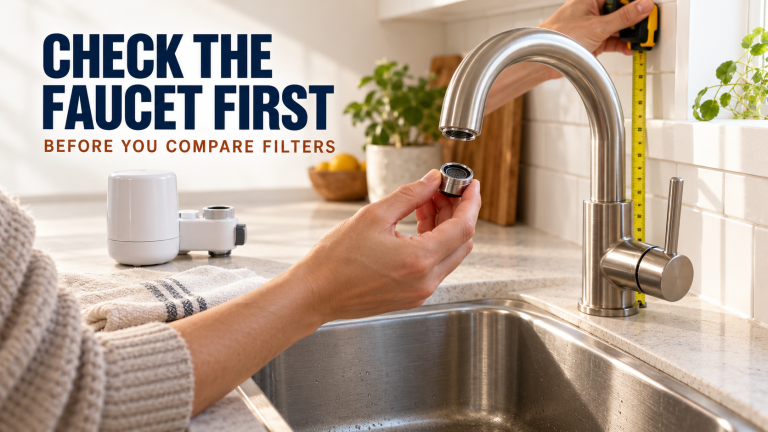
For renters, the first decision is where the bin will sit and how you will empty it. Measure the available space before comparing features.
Quick Buying Checklist
Before ordering, check:
Available countertop width and depth
Height beneath any upper cabinet
Extra clearance needed to open the lid
Whether the bin can be lifted and carried without hitting nearby objects
How the liner or inner bucket comes out
Where food scraps will be emptied
Whether the container and lid are accessible for cleaning
Whether any optional mounting method is appropriate for the rental
A countertop bin collects scraps; it does not compost them on its own. You still need a suitable disposal or composting destination.
1. Measure the Countertop Footprint First
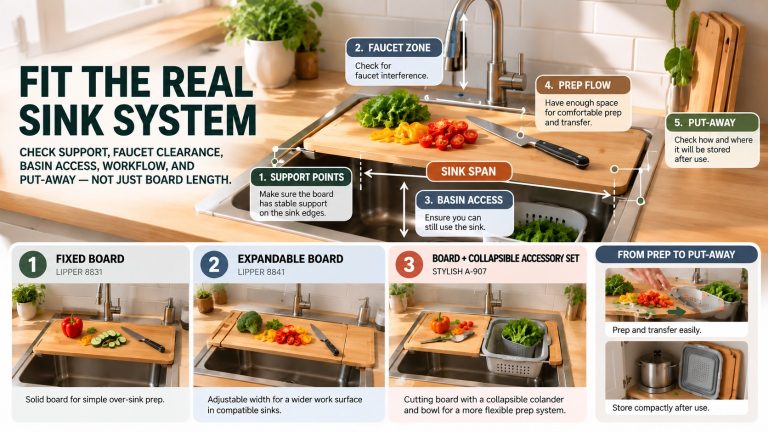
Choose the intended location before shopping. A space beside the sink may make scraping scraps convenient, but that location also needs to leave enough room for food preparation, washing dishes, and cleaning.
Measure the usable width and depth, not just the full countertop dimensions. Account for the faucet, backsplash, dish rack, appliances, and any objects that must remain accessible.
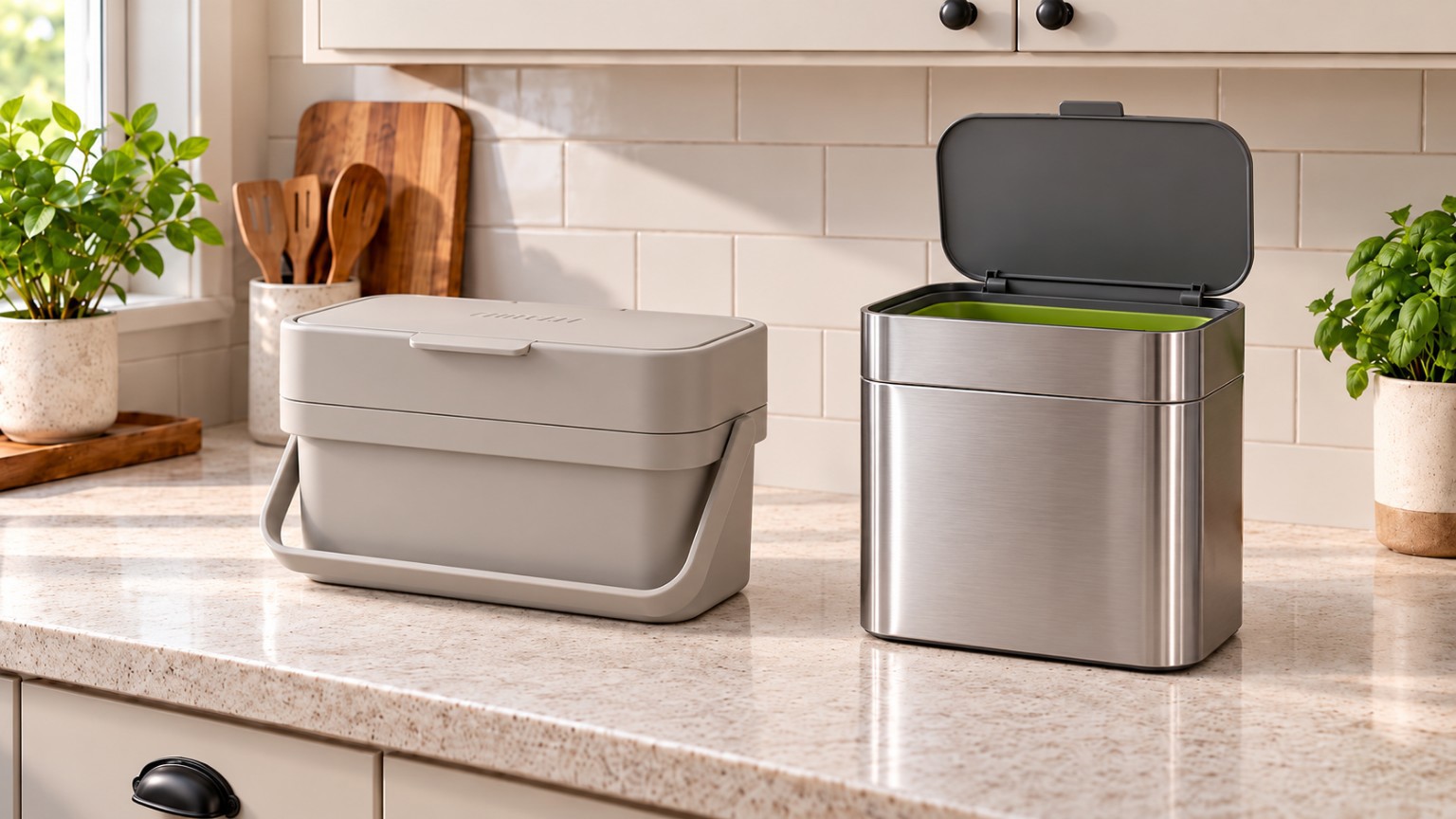
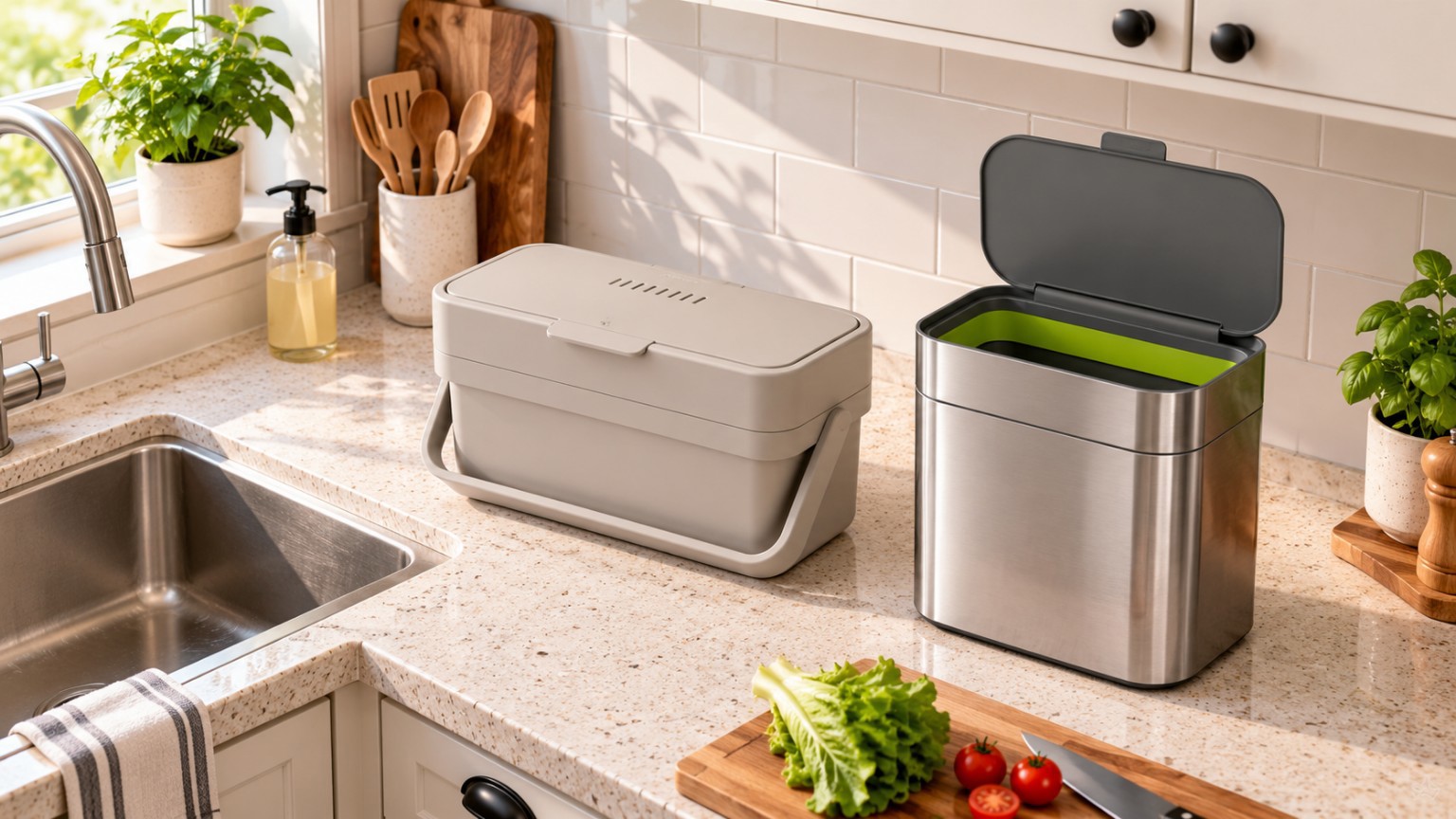
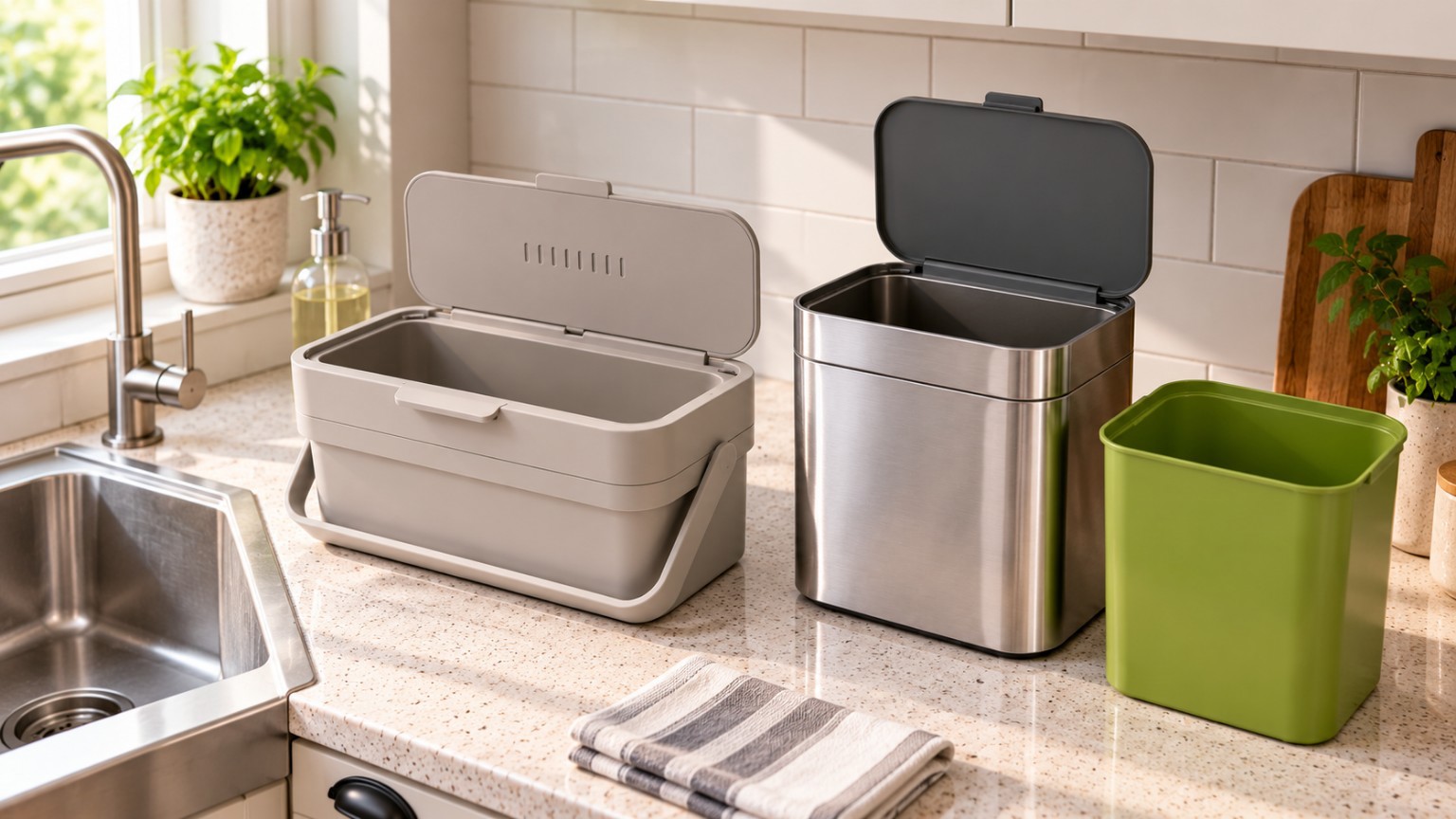
The two products in this guide use different shapes:
Joseph Joseph Compo 4, model 30046: a wide, relatively shallow design.
simplehuman Compost Caddy, model CW1645: a narrower, deeper-profile container.
Neither shape is automatically better. The useful question is which footprint fits the specific counter.
2. Check Height and Lid-Opening Clearance
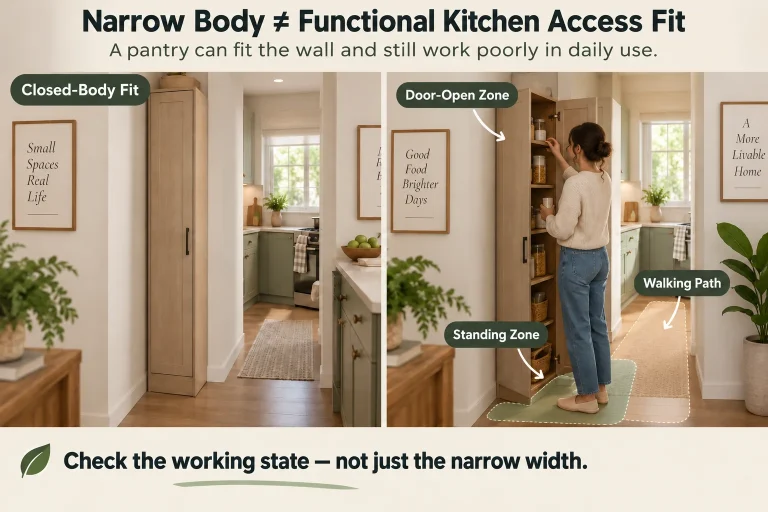
A bin can fit beneath a cabinet when closed and still be inconvenient when its lid is raised.
Measure from the countertop to the underside of the cabinet or shelf. Then check the lid’s opening direction and whether your hand can comfortably scrape food into the container.
Important: Published closed-product dimensions do not establish the full operating height with the lid open. Do not assume the listed height is sufficient clearance.
If the available space is tight, test the lid movement using the manufacturer’s product images and a cardboard outline before buying.
3. Compare Capacity Without Ignoring the Emptying Routine
Both selected products have a manufacturer-listed capacity of 4 liters. That is useful for comparing their nominal volume, but it does not tell you how often you will need to empty them.
Emptying frequency depends on the household’s food-scrap volume, the type of scraps collected, and the disposal routine.
A smaller household may prioritize minimal countertop obstruction. A household preparing several meals daily may care more about how easily the container can be emptied and cleaned.
4. Compare the Two Product Designs
*Dimensions refer to the products in their published configurations, not the additional space needed to open the lids.*
Joseph Joseph Compo 4 — Model 30046
The Compo 4 uses a broad opening and a slimline body. Its adjustable vent offers a choice between more ventilation and a more closed configuration, but neither setting should be interpreted as a guarantee that odors or insects will be eliminated.
The included door-mount bracket adds a placement option. Renters should not assume that every cabinet door or mounting arrangement is compatible. Check the door’s construction, available clearance, attachment requirements, and any tenancy restrictions before considering that option.
For countertop use, focus on its approximately 29.7 cm width and the room required for the flip-up lid.
simplehuman Compost Caddy — Model CW1645
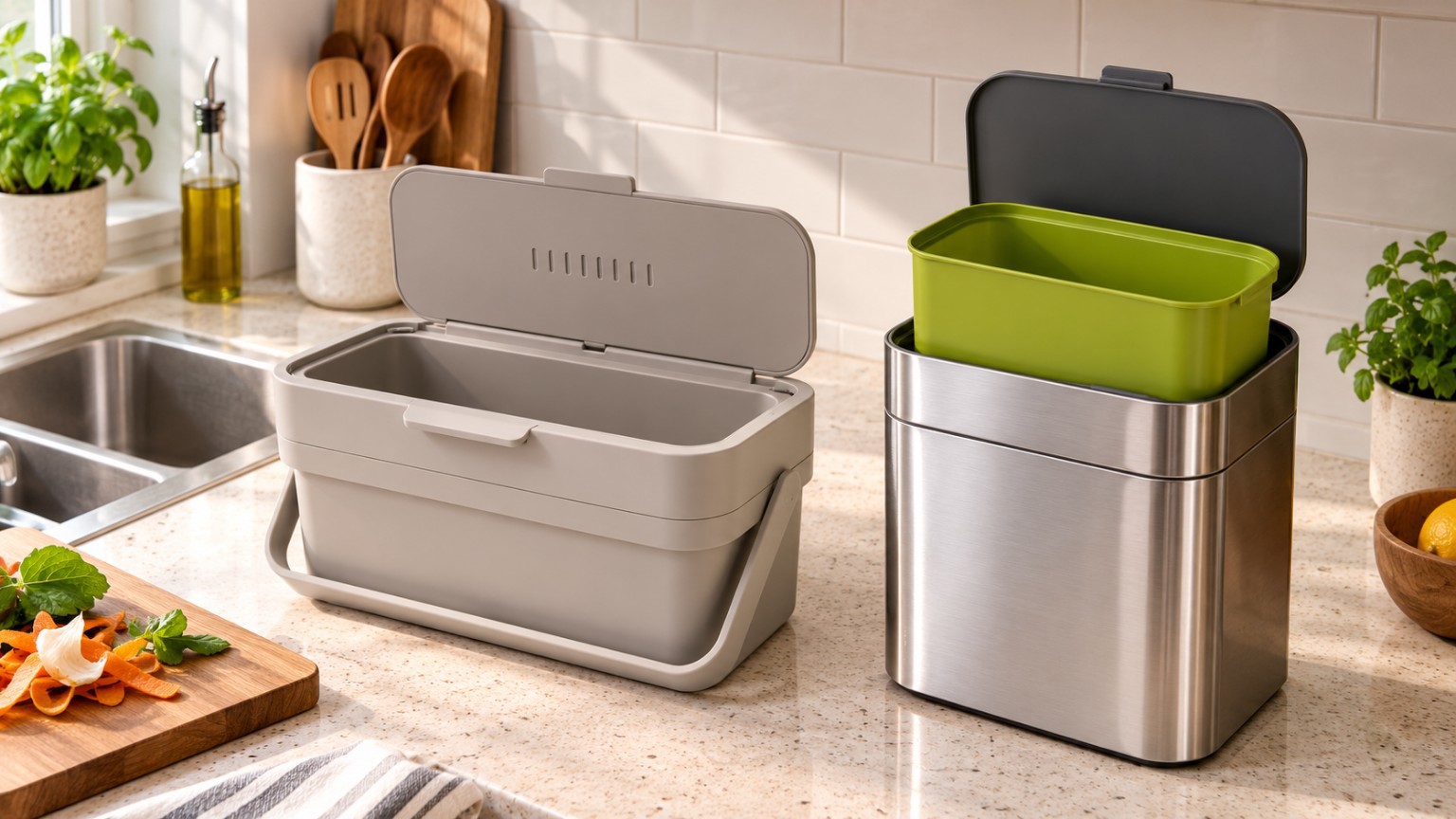
The simplehuman model uses a removable inner bucket and detachable lid, creating a different emptying and cleaning routine.
Its magnetic docking system is designed for compatible simplehuman trash-can configurations. This is not universal magnetic mounting and should not be assumed to work on arbitrary cabinets, appliances, or metal surfaces.
It can also be detached for countertop food preparation. If you plan to use it only on the counter, verify that its taller profile and lid movement fit your kitchen.
The manufacturer describes odor-minimizing features, not a guarantee of odor elimination.
5. Think Through the Liner and Emptying Workflow
A bin may fit perfectly and still be frustrating if removing scraps requires moving nearby appliances or carrying an unstable container across the kitchen.
Before buying, picture the entire routine:
Scrape food scraps into the bin.
Close the lid without obstruction.
Remove the liner or inner bucket.
Carry scraps to the intended disposal location.
Empty them without unnecessary spills.
Clean and dry the parts before returning them to the counter.
Joseph Joseph specifies IW2 custom-fit liners and also states that standard liners can be used. simplehuman identifies its Code Z compost liners for the Compost Caddy. These are product-specific liner references, not evidence that every alternative liner will fit or that every liner will compost under every disposal condition.
6. Cleaning Access Matters in a Small Kitchen
Food scraps can leave moisture and residue. Look at how easily you can reach the bottom, corners, lid, and any removable components.
The Joseph Joseph model has manufacturer instructions to wash and dry by hand. The simplehuman design provides a removable inner bucket and lid.
Do not assume either product is dishwasher-safe without a verified instruction for the exact model.
7. Rental-Friendly Placement and Reversibility
The lowest-commitment option is usually placing the container on an existing countertop without fastening anything.
If you are considering door mounting or trash-can docking, verify the exact compatibility first. Check whether the arrangement can be removed without damaging the rental and whether it interferes with cabinet operation.
An included mounting feature is an option, not a reason to modify furniture.
Before You Buy: Final Decision Checklist
[ ] The bin fits the measured countertop width and depth.
[ ] Its closed height fits the available space.
[ ] The lid opens without striking a cabinet or shelf.
[ ] The opening is accessible during food preparation.
[ ] The capacity fits the household’s likely emptying routine.
[ ] The liner or inner bucket can be removed easily.
[ ] The carrying route to the disposal point is practical.
[ ] The cleaning instructions are acceptable.
[ ] Any optional mounting method has been checked for compatibility and rental restrictions.
[ ] The exact model and current seller terms have been confirmed.
Bottom Line
Choose a countertop food-scrap bin by footprint, lid clearance, and emptying workflow, not by a general promise of odor control.
The Joseph Joseph 30046 and simplehuman CW1645 both offer 4-liter capacity, but their dimensions, openings, and handling systems differ. Measure the kitchen first, then choose the design that fits the space and routine.